


Complete Guide to Opening a Secured Credit Card
Complete Guide to Opening a Secured Credit Card
 A secured credit card gives cardholders an opportunity to build credit. While you’ll have to make a security deposit to serve as collateral, this can serve as your entry point into building credit.
But if you are new to credit cards, you might not know where to get started. Luckily, I’ve created a full guide to opening a secured credit card. Let’s explore everything you need to know about opening a secured credit card.
A secured credit card gives cardholders an opportunity to build credit. While you’ll have to make a security deposit to serve as collateral, this can serve as your entry point into building credit.
But if you are new to credit cards, you might not know where to get started. Luckily, I’ve created a full guide to opening a secured credit card. Let’s explore everything you need to know about opening a secured credit card.
What Is a Secured Credit Card?
A secured credit card is a type of credit card that requires cardholders to make a cash deposit. The cash deposit serves as collateral for your spending. If you don’t pay your credit card bills on time, the credit card issuer can seize the collateral deposit to recoup their losses.Who Is a Secured Credit Card Designed For?
Secured credit cards are designed for people who want to build or rebuild their credit scores. In general, borrowers choose to open a secured credit card as a starting point due to a lack of credit history or negative credit information. In either case, the borrower represents a risk for the credit card issuer. With that, it would be difficult for the borrower to open an unsecured credit card. Since the credit card issuer holds a collateral deposit from the borrower, this eliminates some of the financial risk. With this lower risk in the picture, borrowers can gain access to a credit card.What to Look for in a Secured Credit Card
If you decide to move forward with a secured credit card, it’s important to comparison shop to find a card that best suits your needs. Below are some of the factors to keep in mind.Fees
When it comes to opening a credit card of any kind, it’s critical to take a close look at the fees attached. A few credit card fees to look for include:- Annual fee
 Interest charges
- Late payment fee
- Cash advance fee
- Foreign transaction fee
- Over-the-limit fee
- Returned payment fee
Interest Rates
In a perfect world, you’d be able to pay off your credit card balance in full each month. If you are able to pay off your monthly balance within the grace period, you’ll avoid interest charges. But the reality is that sometimes it may not be possible to pay off your balance in full at the end of each month. Although you’ll still need to make a minimum payment, the remaining balance will begin to collect interest. Of course, credit cards are known for having high interest rates in general. But it doesn’t hurt to shop around. You’ll likely find a big swing in different credit card interest rates.Credit Reporting
For most, the goal of opening a secured credit card is to start building a record of positive payment information. With that, you’ll need to choose a secured credit card that offers credit reporting. The good news is that most secured credit cards report to at least one of the credit bureaus. But you’ll likely want to choose a secured card that reports to the three main credit bureaus: Equifax, Experian, and TransUnion. If the credit card issuer only reports to one of these credit bureaus, you miss out on the chance to build credit across the board—which could cost you down the road if a lender pulls your credit report from a bureau that lacks some of your credit history.Security Deposit Requirements
The nature of secured cards means that you should expect to put down a security deposit of some amount. But different credit card issuers have various deposit requirements. For example, some credit card issuers might accept a security deposit of $200. But others might require a larger security deposit. Your security deposit usually becomes your credit limit, so with a larger deposit, you should receive a higher credit limit. Find a credit card with deposit requirements that suit your situation.Path to Unsecured Credit Card
A secured credit card offers a way to build your payment history. But at some point, you might want to move to a credit card that doesn’t require a security deposit. In some cases, credit card issuers have a streamlined path to move from a secured credit card to an unsecured credit card. For example, you might be automatically upgraded to an unsecured credit card after making on-time payments for a set number of months. If you want to move to an unsecured credit card in the future, consider finding a secured credit card that offers a clear pathway.Perks
 Some credit cards offer perks to cardholders, which can tilt the balance when choosing the right option for your wallet.
For example, some credit cards offer cash back rewards or purchase protection. As you narrow your search, consider using a credit card that allows you to stretch your dollars farther.
Keep in mind that many secured credit cards don’t offer the same level of enticing rewards as their unsecured cousins. The most attractive credit card perks are typically reserved for cardholders with good or excellent credit.
As you do your research, don’t despair if you have to start your credit-building journey with a credit card that doesn’t offer extensive rewards. Instead, focus on the opportunity to build your credit history. If you see an unsecured credit card with perks you love, plan to revisit it when it makes sense for your credit.
Some credit cards offer perks to cardholders, which can tilt the balance when choosing the right option for your wallet.
For example, some credit cards offer cash back rewards or purchase protection. As you narrow your search, consider using a credit card that allows you to stretch your dollars farther.
Keep in mind that many secured credit cards don’t offer the same level of enticing rewards as their unsecured cousins. The most attractive credit card perks are typically reserved for cardholders with good or excellent credit.
As you do your research, don’t despair if you have to start your credit-building journey with a credit card that doesn’t offer extensive rewards. Instead, focus on the opportunity to build your credit history. If you see an unsecured credit card with perks you love, plan to revisit it when it makes sense for your credit.
How to Open a Secured Credit Card
Ready to open a secured credit card? Here’s how to get started.Evaluate Your Credit
Before you apply for a credit card, it’s important to evaluate where your credit score stands. You can take stock of your credit by obtaining copies of your credit reports through Annual Credit Report.com. Once you have a free copy of your credit report in hand, check that the information is accurate. If you spot any incorrect information, point out errors to the credit bureaus. If the incorrect information is negative, removing the errors should help your credit score recover.Research Secured Credit Card Options
The next step is to research your credit card options. We’ve explored some of the features to keep in mind throughout your search. Below are some of our top secured credit card picks:- Discover it® Secured Credit Card
- Petal® 1 “No Annual Fee” Visa® Credit Card
- OpenSky® Secured Credit Visa® Card
- First Progress Platinum Select Mastercard® Secured Credit Card
- First National Bank of Omaha Secured Visa® Card
- Bank of America® Customized Cash Rewards Secured Credit Card
Submit Your Application
When you’ve picked out the right credit card for your situation, it’s time to apply for the secured credit card. As you fill out the application, be prepared to provide personal information and financial details. While every credit card issuer has the right to ask for different information, most will ask for the following: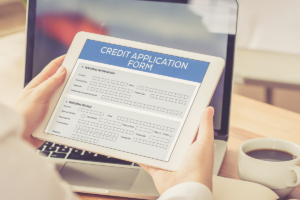
- Your full name
- Your Social Security number (SSN) or Individual Taxpayer Identification number (ITIN)
- Date of birth
- Annual income
- Address
- Housing payment
Decide on a Security Deposit Amount
Depending on the credit card you apply for, you might have the option to choose the amount of your security deposit. In general, your security deposit is directly tied to your credit limit. For example, if you make a $500 security deposit, you will likely have a $500 credit limit. A higher credit limit makes it easier to keep your credit utilization ratio on the lower end, which is beneficial for your credit scores. You can calculate your credit utilization ratio by dividing your account balance by the credit limit. For example, if you have a $400 balance and a $1,000 credit limit, your credit utilization ratio is 40%. Ideally, you should aim for an overall utilization ratio of less than 10% for FICO scores (or as low as possible). For VantageScores, you can aim for less than 30%. Anything above these figures can begin to negatively impact your scores. If you have a relatively low credit limit, it can be challenging to maintain this low utilization ratio. After you know your security deposit amount, you’ll need to transfer the funds to the credit card issuer. The company will hang onto your security deposit until you either don’t keep up with your payments, close the account, or get upgraded to an unsecured credit card.Use Your Credit Card
Once you’ve made your security deposit, your credit card issuer will send a physical card through the mail. In some cases, the credit card issuer will provide the details of your credit card number immediately, which means you can start using the card for electronic purchases right away. As you use the credit card, keep an eye on your balance. You never want to max out your credit card. But as you get your feet wet with credit, it’s easy to accidentally overspend.Make On-time Payments
If you are opening a secured credit card with the hopes of building credit, it’s essential to make on-time payments. Each month, do your best to pay off the entire balance in full instead of carrying a balance and paying interest charges. But even if you aren’t able to pay off the whole balance, it’s crucial to at least make the minimum payment on time. If you struggle to keep track of due dates, consider setting up automatic payments. Most credit card issuers offer this option. Using automatic payments can help you stay on top of paying your bills without letting life get in the way. Your payment history is the most important factor considered by your credit score. If you are building credit, don’t overlook this opportunity to build a positive record of on-time payments.Monitor Your Credit Score
 As you build credit, monitor your credit scores on a regular basis. By checking in once a month or every couple of months, you’ll be able to see your progress.
Building a good credit score doesn’t happen overnight. If you are trying to build credit, monitoring your credit is an important part of the process. But it’s critical to be patient with yourself. It can take several months, or even years, of steady action to build a great credit score.
Be patient throughout the process. Making on-time payments consistently should lead to a higher credit score. But try not to expect quick results—it will likely take more time than you think. Instead of focusing on the slow pace, continue to make consistent progress to get long-term results.
As you build credit, monitor your credit scores on a regular basis. By checking in once a month or every couple of months, you’ll be able to see your progress.
Building a good credit score doesn’t happen overnight. If you are trying to build credit, monitoring your credit is an important part of the process. But it’s critical to be patient with yourself. It can take several months, or even years, of steady action to build a great credit score.
Be patient throughout the process. Making on-time payments consistently should lead to a higher credit score. But try not to expect quick results—it will likely take more time than you think. Instead of focusing on the slow pace, continue to make consistent progress to get long-term results.
FAQs
What Is a Secured Credit Card?
A secured credit card is a type of credit card that requires a security deposit as collateral, typically used by individuals with limited or poor credit history.How Does a Secured Credit Card Differ From a Regular Credit Card?
Unlike regular credit cards, secured credit cards require a security deposit as collateral, and the credit limit is typically equal to or slightly higher than the deposit amount.Who Is Eligible to Apply for a Secured Credit Card?
Secured credit cards are targeted toward individuals with limited credit history, no credit history, or a low credit score, but anyone can apply for a secured credit card.How Does a Secured Credit Card Help Build or Rebuild Credit?
By using a secured credit card responsibly, making timely payments, and keeping balances low, individuals can demonstrate positive credit behavior, which can help build or rebuild their credit history over time.The Bottom Line
While a secured credit card isn’t the right fit for everyone, a secured credit card might be the tool you need to build your credit score. If you decide that you want to add a secured credit card to your wallet, don’t hesitate to start the process today. Do you know the #1 Tradeline Secret?
Use the secret to unlock your full tradeline power.
Use the secret to unlock your full tradeline power.
Author
Sarah Sharkey is a popular financial journalist who has been featured in Bankrate, Money Under 30, GoBankingRates, and FinMasters. Sarah has a reputation for helping people develop smart money skills.
Her passion for strong personal finance balance sheets shines in her blog Adventurous Adulting, along with her love for adventures.
BROWSE ALL CATEGORIES
LATESTCREDIT VENDOR RESOURCESLEGAL & ETHICAL TOPICSCREDIT REPAIR & CREDIT SCORE INFORMATIONTRADELINE RESOURCESCOMPANY NEWSGUEST ARTICLES BY CREDIT EXPERT JOHN ULZHEIMERINFOGRAPHICSPERSONAL FINANCECREDIT COUNTDOWN VIDEOSCREDIT CARDSLOANSBUSINESS CREDITBROKER PARTNER RESOURCESARTICLE
Related posts
“No Data” or ND on Your Credit Report or Missing Payment Checkmarks...How to Use Credit Cards Responsibly Without Going Into DebtDebit vs. Credit Cards: Which Is the Better Way to Pay?Debt Consolidation vs. Credit Card Refinancing: Which Is Right for ...Credit Card Mistakes to AvoidHow to Avoid a Growing Credit Card BalanceThings Everyone Should Know About Credit CardsComplete Guide to Opening an Unsecured Credit CardBest Rated Credit Cards for Bad Credit in 2024Credit Card Credit Building—2025 Best Cards for Credit Building
Comments (0)
Comments (0)
MOST POPULAR ARTICLES
- How to Choose a Tradeline: A Buyer’s Guide
- Common Mistakes Made When Buying Tradelines
- Tradelines 101 [Infographic]
- Credit Repair vs. Tradelines [Infographic]
- Tradelines: What You Should Know About Building Credit
- How Many Tradelines Do I Need?
- What Happened to Equal Credit Opportunity for All?
- The #1 Secret on How to Unlock the Power of Tradelines
* Tradeline Supply Company, LLC does not guarantee credit score improvement. We provide a tradeline marketplace platform. Tradeline non-postings may occur and will result in a refund or exchange.