

How to Use Debt Consolidation to Boost Credit Scores
How to Use Debt Consolidation to Boost Credit Scores
Have you found yourself with a bunch of smaller balances on credit cards that have you juggling multiple payment dates? It can be overwhelming to try and manage several different cards. If you’ve found yourself in this position of an extended number of credit cards—it might be worth considering debt consolidation.
While debt consolidation isn’t for everyone, it is an excellent strategy for borrowers who are good at paying their bills on time and are looking to streamline their budgets. If you struggle to make payments on time, this strategy might not be the right strategy for you. You want to ensure you’re able to meet the payment requirements. Otherwise, debt consolidation could harm your credit and no one wants that.
 You’ll be able to have more manageable payments and usually have a better, or at least similar, interest rate on your payments. Sometimes your payments even go down, even though you're paying off the same amount of money. It just depends on the term of your loans.
The goal with debt consolidation loans is to get a better interest rate than your credit card debt currently has to save you money in the process. However, you’ll need to be approved for the loan at that lower interest rate, and you’ll need to be approved for the amount that you want to borrow. If you’re not able to do those things, it’s best not to consolidate the loan. You don’t want to be spending more money over the course of debt repayment simply for the ease of a single payment.
The process can take a while, so it’s not an immediate solution to your debt repayment process, but it’s an effective tool for simplifying your budget. Only having to pay one creditor back instead of three to four is helpful because you’re less likely to forget a payment and you only have to use one payment portal. No more checking three or four different accounts to ensure that your payments have been made. It’s a great way to ensure you’re remaining financially responsible but taking less brainpower in order to do so. You’ll struggle from less decision fatigue if you only have one account to check.
You’ll be able to have more manageable payments and usually have a better, or at least similar, interest rate on your payments. Sometimes your payments even go down, even though you're paying off the same amount of money. It just depends on the term of your loans.
The goal with debt consolidation loans is to get a better interest rate than your credit card debt currently has to save you money in the process. However, you’ll need to be approved for the loan at that lower interest rate, and you’ll need to be approved for the amount that you want to borrow. If you’re not able to do those things, it’s best not to consolidate the loan. You don’t want to be spending more money over the course of debt repayment simply for the ease of a single payment.
The process can take a while, so it’s not an immediate solution to your debt repayment process, but it’s an effective tool for simplifying your budget. Only having to pay one creditor back instead of three to four is helpful because you’re less likely to forget a payment and you only have to use one payment portal. No more checking three or four different accounts to ensure that your payments have been made. It’s a great way to ensure you’re remaining financially responsible but taking less brainpower in order to do so. You’ll struggle from less decision fatigue if you only have one account to check.
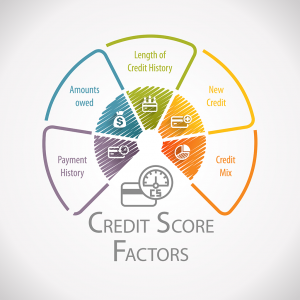 In fact, in many cases, consumers see their credit increase by about 20 points after consolidating their credit. This is because they decreased their credit utilization from their credit cards, and opened up more access to credit while maintaining the credit limits on their current cards. All of these things affect your credit score in a positive way.
 If you already have bad credit, you might not be approved for the debt consolidation loan. Keep this in mind when deciding whether or not to apply for the loan. If your credit score is too low, you might need to look into other options, like debt settlement, to pay off your debt.
Debt consolidation also comes with fees. If your loan charges too high of an origination fee, it might not be worth it to transfer the money over. Because what you save on interest rates would be turned right around into loan fees. Read the fine print of your loan before accepting terms and conditions and transferring your balance over.
Depending on what loan you take out, you could lose the collateral. This is only a concern if you consolidate with a secured loan and cannot pay that loan back. If you’re confident in your ability to pay back the loan, or you take out an unsecured loan, this shouldn’t be an issue.
Another issue, depending on how you consolidate, is high credit utilization. If you consolidate through credit cards then your credit utilization ratio may increase, temporarily damaging your credit. But if you pull out a loan, then you won’t have to worry about this, because loans are not revolving credit accounts.
If you already have bad credit, you might not be approved for the debt consolidation loan. Keep this in mind when deciding whether or not to apply for the loan. If your credit score is too low, you might need to look into other options, like debt settlement, to pay off your debt.
Debt consolidation also comes with fees. If your loan charges too high of an origination fee, it might not be worth it to transfer the money over. Because what you save on interest rates would be turned right around into loan fees. Read the fine print of your loan before accepting terms and conditions and transferring your balance over.
Depending on what loan you take out, you could lose the collateral. This is only a concern if you consolidate with a secured loan and cannot pay that loan back. If you’re confident in your ability to pay back the loan, or you take out an unsecured loan, this shouldn’t be an issue.
Another issue, depending on how you consolidate, is high credit utilization. If you consolidate through credit cards then your credit utilization ratio may increase, temporarily damaging your credit. But if you pull out a loan, then you won’t have to worry about this, because loans are not revolving credit accounts.

What Is Debt Consolidation?
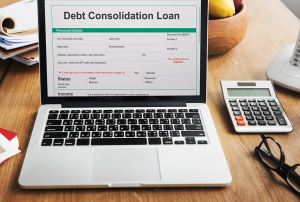
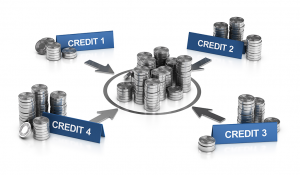
Debt consolidation is the process of combining your debt into one payment. It’s usually done by taking out a personal loan, using that to pay off the credit card debt, and then paying back the loan. It’s an excellent strategy if you find yourself struggling to balance multiple credit card payments every month.
You’ll be able to have more manageable payments and usually have a better, or at least similar, interest rate on your payments. Sometimes your payments even go down, even though you're paying off the same amount of money. It just depends on the term of your loans.
The goal with debt consolidation loans is to get a better interest rate than your credit card debt currently has to save you money in the process. However, you’ll need to be approved for the loan at that lower interest rate, and you’ll need to be approved for the amount that you want to borrow. If you’re not able to do those things, it’s best not to consolidate the loan. You don’t want to be spending more money over the course of debt repayment simply for the ease of a single payment.
The process can take a while, so it’s not an immediate solution to your debt repayment process, but it’s an effective tool for simplifying your budget. Only having to pay one creditor back instead of three to four is helpful because you’re less likely to forget a payment and you only have to use one payment portal. No more checking three or four different accounts to ensure that your payments have been made. It’s a great way to ensure you’re remaining financially responsible but taking less brainpower in order to do so. You’ll struggle from less decision fatigue if you only have one account to check.
Do Debt Consolidation Loans Hurt Your Credit?
It can be scary to think of taking out more debt in order to pay off your credit cards, and you might be concerned about your credit score during the process. But keep in mind, you’re not actually taking out more debt, you’re simply moving the debt around to consolidate your loans. Regardless, those are very normal fears; we’re here to set your mind at ease. You’re not doing anything detrimental to your credit. You’re taking steps to help build your credit up. Consolidating your credit will not hurt your credit in the long run. It might affect your credit at the beginning of the process because any time you apply for a loan a hard inquiry is pulled on your credit. Hard inquiries will cause your score to drop initially, but your credit will bounce back rather quickly.
In fact, in many cases, consumers see their credit increase by about 20 points after consolidating their credit. This is because they decreased their credit utilization from their credit cards, and opened up more access to credit while maintaining the credit limits on their current cards. All of these things affect your credit score in a positive way.
How Long Will It Take to See an Increase in Credit Scores?
Since your credit will drop initially after the loan is taken out, it may take a few months before you see your credit score rise after debt consolidation. Every case is individualized, so what worked for someone won’t work for everyone, but the majority of people saw their credit rise anywhere between 6 months to 24 months after they consolidated their debt. It’s important to monitor your credit during this process to ensure that everything is being reported correctly. One in three people report having misinformation on their credit report when they checked it. You’re able to pull your credit report once a year. We’d recommend pulling your credit report a few months after consolidating your debt to check and ensure that everything was reported correctly and your score will go up. You can also monitor your credit daily by using websites like CreditKarma. Some banks even report your score to you. It might take a while to see an increase in your score, but that increase is coming. Just keep monitoring and be patient.What Are the Risks of Debt Consolidation?
It’s important to assess the risks of debt consolidation before deciding if this plan of action to pay off your debt faster is a good solution for you. Aside from potential credit score damage, which is only temporary, there are other concerns when it comes to debt consolidation.
If you already have bad credit, you might not be approved for the debt consolidation loan. Keep this in mind when deciding whether or not to apply for the loan. If your credit score is too low, you might need to look into other options, like debt settlement, to pay off your debt.
Debt consolidation also comes with fees. If your loan charges too high of an origination fee, it might not be worth it to transfer the money over. Because what you save on interest rates would be turned right around into loan fees. Read the fine print of your loan before accepting terms and conditions and transferring your balance over.
Depending on what loan you take out, you could lose the collateral. This is only a concern if you consolidate with a secured loan and cannot pay that loan back. If you’re confident in your ability to pay back the loan, or you take out an unsecured loan, this shouldn’t be an issue.
Another issue, depending on how you consolidate, is high credit utilization. If you consolidate through credit cards then your credit utilization ratio may increase, temporarily damaging your credit. But if you pull out a loan, then you won’t have to worry about this, because loans are not revolving credit accounts.
How to Consolidate Your Credit
If you’ve made the decision to consolidate your credit, you’ll want to look at the different options for consolidating credit. The most common is to pull out an unsecured loan to pay off the debt and then pay that loan off. But there are other ways as well.
Using Home Equity Loans
If you have a house, you may be able to pull out a home equity loan to consolidate your credit card debt. The benefit of this is that home equity loans generally have great interest rates and a long repayment timeline. You could pay off a 20 percent APR credit card with a 5 percent home equity loan and save hundreds of dollars in the process. This works best for homeowners who have at least 15 percent equity in their home, and for people who are responsible enough to make their repayments on time. If you don’t make your payments on time, you could risk your house foreclosing, and that’s not worth any amount of savings you get from lower interest rates. It’s also important to note that most home equity loans have varying APRs. If you don’t make on-time payments your monthly payment will increase and you’ll pay more in interest.Using 0 Percent Intro APR Credit Cards
Another way to consolidate your loans is by using a 0 percent intro APR credit card. You can transfer a few different cards onto one card and pay them off. If you choose to do this method, you’ll only want to transfer the amount of money you can pay off in the 0 percent APR payment. You’ll also want to make sure you make all payments on time and in full. If you miss a payment, that could void the intro APR and you’ll lose out on any savings that you might have otherwise received.If Debt Consolidation Isn’t for You
If you’re struggling to make your payments, debt consolidation might not be the right answer to your credit problems. While debt consolidation is a great tool if you’re managing your money well, if you’re not it might make things worse. You don’t want to get all the way through the process of consolidating your debt only to realize that you’re unable to make the payments and ruin your credit anyway. You may want to look into debt settlement instead.
What Is Debt Settlement?
Debt settlement is when you or a company calls your creditors and asks them to agree to settle your debt for less than you owe. There are many reputable companies that help with debt relief and are good at settling your debt. However, there is no promise from these companies that your debt will be settled since the creditors can refuse to settle your debt.How Does Debt Settlement Work?
In order to settle your debt, you must first stop making payments to your creditors. This is going to harm your credit score tremendously because late payments are taken into account when calculating the score. That said, it’s a necessary step to signal to the credit companies that you are unable to pay your debt. Then either you or a debt settlement company will reach out to your creditors and attempt to settle your debt. During this time, you’ll be putting money aside into a dedicated account to be used for lump-sum payments, so that your creditors can be paid in full. This process can take anywhere from two to four years, and you’ll benefit the most from it if you have four or more accounts that need to be settled.What Does Debt Settlement Do to Your Credit?
Unfortunately, debt settlement destroys your credit. That’s because you have to ensure that your creditors know you can’t pay the full amount, and you do this by stopping monthly payments. Your credit score is affected because on-time monthly payments make up a large percentage of how your credit score is calculated. However, once your debt is settled, you can begin rebuilding your credit score. Some people even report having a higher credit score than when they first started their debt settlement process.A Word of Caution When Picking Debt Settlement Companies
When picking a debt settlement company, you need to be careful that you aren’t falling into a scam. There are plenty of companies that want you to assume they’re legitimate when instead they incur hefty fees and aren’t really doing anything to help you. If you decide to pursue debt settlement, make sure you do your research first and don’t go with the first company that you see. And it’s important to note that this is a last resort scenario. If you’re able to find a different way to pay off your debts, take that option. You don’t want to settle your debt if you don’t have to because it will harm your credit score.How to Protect Yourself Financially While Paying Off Credit Card Debt
Regardless of whether or not you decide to pursue debt consolidation or debt settlement, it’s important to protect yourself financially while paying off credit card debt. This means having an emergency fund, in case of misfortunes. If you don’t have an emergency fund, you could be endangering your financial health, and you’ll end up relying on credit cards again when disaster strikes. The only way to pay off credit cards successfully is to ensure that you won’t need to use them.What Is an Emergency Fund?
An emergency fund is a stack of money in savings that keeps you safe when emergencies happen. A fully-funded emergency account is typically considered to be anywhere from 3 to 6 months of expenses, although some people like having an entire year in cash. They keep you safe from:
- Job loss.
- Medical or dental emergency.
- Unexpected home repairs.
- Car troubles.
- Unplanned travel expenses.
- And more.
How to Save an Emergency Fund
It can be intimidating to save that much money into one account, especially if you’ve never saved for an emergency before. If saving 3 months' worth of expenses is too much, consider starting with $1,000. If you can manage to set aside $100 a month, it’ll take you 10 months to save up $1,000 for your emergency fund. Once you’ve saved that first $1,000, try saving another $1,000 and continuing the process from there. See if you can also increase the amount you’re saving from $100 to $110. Then, it will only take you 9 months to save the second thousand dollars. Each time it should take you less time to save the $1000, and over time you’ll reach that 3 to 6 months goal. Saving money is not a swift process; it will take time, but it’s crucial to your financial success.Making Sure Your Money Works for You
Your relationship with debt is important to maintaining a good credit score. As you go through your debt repayment journey, you need to ensure that you make your payments on time and keep your creditors happy. As long as your creditors are happy, your credit score is going to remain good. But if you need help and are drowning in debt, there are solutions to your problem. It might tank your credit score, but with time, that can be rebuilt. The most important thing is that you find a way out of debt and start living debt-free. Practice saving for emergencies and setting yourself up for future financial success. The more healthy financial habits you have, the more likely it is that you’ll have a good credit score. That starts by paying your bills on time and by saving money for emergencies. Do you know the #1 Tradeline Secret?
Use the secret to unlock your full tradeline power.
Use the secret to unlock your full tradeline power.
Author
Moriah Chace is an award-winning, queer Gen Z author known for promoting financial literacy. Moriah's financial articles have appeared in The Motley Fool, Buzfeed, Bankrate & Bigger Pockets, Moriah is a leading voice in helping people take control of their finances. As a lover of all things DIY, she spends her free time fixing up cars from the 90s and vintage RVs.
BROWSE ALL CATEGORIES
LATESTCREDIT VENDOR RESOURCESLEGAL & ETHICAL TOPICSCREDIT REPAIR & CREDIT SCORE INFORMATIONTRADELINE RESOURCESCOMPANY NEWSGUEST ARTICLES BY CREDIT EXPERT JOHN ULZHEIMERINFOGRAPHICSPERSONAL FINANCECREDIT COUNTDOWN VIDEOSCREDIT CARDSLOANSBUSINESS CREDITBROKER PARTNER RESOURCESARTICLE
Related posts
“No Data” or ND on Your Credit Report or Missing Payment Checkmarks...How to Improve Your Credit Score in 2025How to Deal With Holiday DebtWhat Is Buy Now Pay Later and How Does It Affect Your Credit?Insider’s Guide to Buying Credit RepairWhy Did My Credit Score Go Down?How to Protect Your Credit Score When You Have an Irregular IncomeHow to Grow a Thin Credit FileWhat Is Bankruptcy and How Does It Impact Your Credit?Can Inquiry "Bumpage" and "Choppage" Help Your Credit?
Comments (0)
Comments (0)
MOST POPULAR ARTICLES
- How to Choose a Tradeline: A Buyer’s Guide
- Common Mistakes Made When Buying Tradelines
- Tradelines 101 [Infographic]
- Credit Repair vs. Tradelines [Infographic]
- Tradelines: What You Should Know About Building Credit
- How Many Tradelines Do I Need?
- What Happened to Equal Credit Opportunity for All?
- The #1 Secret on How to Unlock the Power of Tradelines
* Tradeline Supply Company, LLC does not guarantee credit score improvement. We provide a tradeline marketplace platform. Tradeline non-postings may occur and will result in a refund or exchange.